 Eryn Quimby
 Understanding Concealed Carry Virginia Laws for Safe and Responsible Gun Ownership
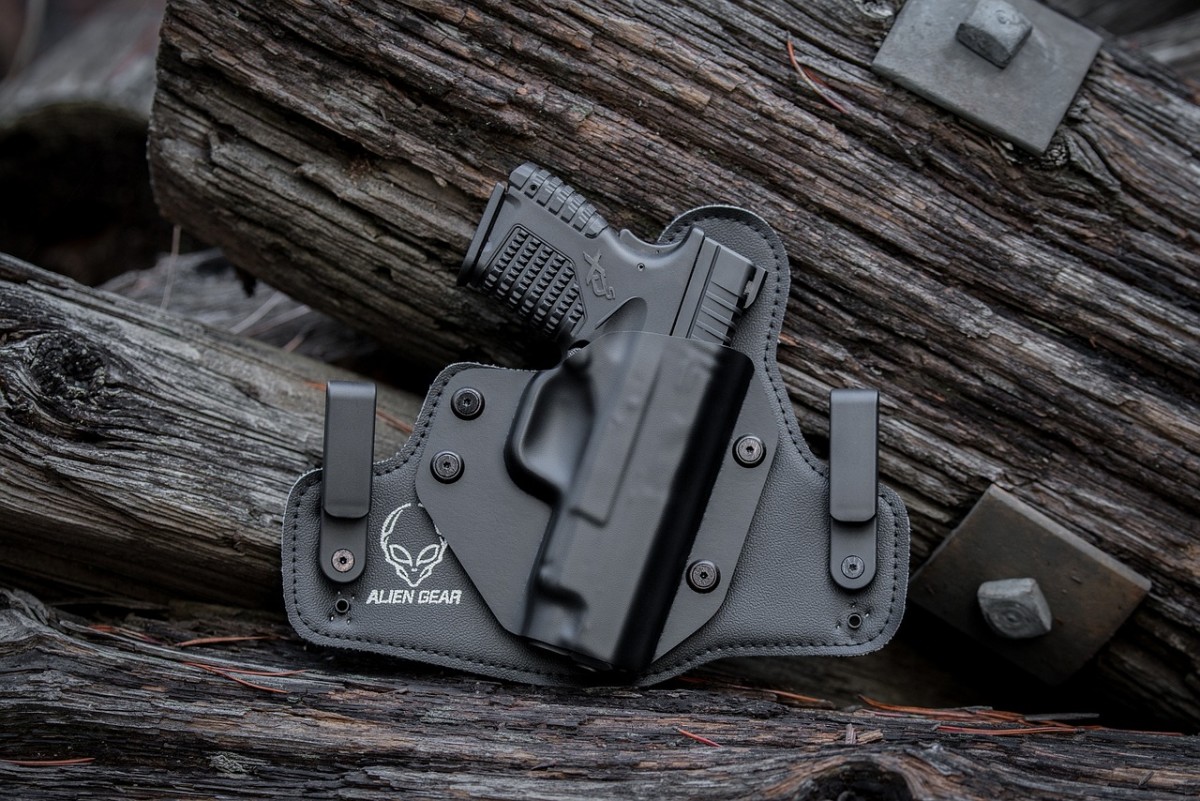
Carrying a concealed weapon in your vehicle requires adherence to specific legal requirements and a commitment to safety. Understanding the relevant laws and best practices is crucial to ensure responsible firearm ownership. Below, we outline the key considerations for legally carrying a concealed weapon in your vehicle.
Understand State and Local Laws
Laws governing concealed carry in vehicles vary by state, so it’s essential to familiarize yourself with the regulations where you live—or where you plan to travel.
- Permit Requirements: Many states require a concealed carry permit or license to legally transport a firearm in your vehicle.
- Storage Rules: Some jurisdictions mandate that firearms must be unloaded and stored in a locked container if carried without a permit.
- Accessibility Restrictions: In certain states, firearms must not be readily accessible, such as placed in the trunk of the car.
Check your state’s official government website for detailed information or consult an attorney specializing in firearms law.
Secure Storage of Your Firearm
Proper storage is critical for both legal compliance and safety.
- Use a Lockable Safe or Box: A portable gun safe ensures that your firearm is securely stored when not on your person.
- Keep Ammo Separate (if required by law): If state regulations prohibit loaded firearms during transport, store ammunition separately from the firearm.
- Avoid Glove Compartments: Unless explicitly allowed, storing firearms in glove compartments can sometimes lead to legal complications.
| Storage Location | Legal Status (Varies by State) | Safety Recommendation |
| Locked Gun Safe | Generally Permitted | Highly Recommended |
| Glove Compartment | Often Restricted | Use Caution |
| Vehicle Trunk | Permitted Without Permit | Recommended |
Practices for Safe Handling During Transit
- Always Treat Firearms as Loaded: Handle them responsibly even if unloaded.
- Avoid Unnecessary Handling: Limit moving or adjusting your firearm while driving unless absolutely necessary.
- Be Mindful of Passengers: Ensure that anyone traveling with you understands basic firearm safety rules.
Interactions with Law Enforcement
- Keep your hands visible at all times—ideally on the steering wheel.
- Avoid sudden movements and comply fully with any instructions given.
Many states require individuals with concealed carry permits to disclose their armed status during traffic stops; failure to do so could result in fines or additional charges.
Regularly Review Your Responsibilities
Carrying a concealed weapon responsibly goes beyond meeting legal standards—it requires vigilance and ongoing education about safety protocols. Revisit guidelines periodically as laws can change over time, particularly when relocating or traveling across state lines.
By following these steps, you can help ensure that transporting your firearm remains both lawful and secure while prioritizing safety at all times.
Key Responsibilities for Virginia Concealed Carry Permit Holders When Stopped by Law Enforcement
Being stopped by law enforcement while carrying a concealed firearm requires preparation, calmness, and knowledge of your legal obligations. Below are the essential responsibilities and best practices to ensure the encounter remains safe and lawful for everyone involved.
Enhance Safety and Compliance with Concealed Carry Classes in Washington DC
- Pull Over Safely: Choose a safe location to stop your vehicle, preferably well-lit and away from traffic.
- Remain Calm: Keep both hands visible on the steering wheel or in plain sight. Avoid sudden movements that could be misinterpreted as a threat.
- Wait for Instructions: Do not reach for your wallet, license, or firearm until instructed to do so by the officer.
Disclose Your Concealed Carry Status
Even in states where it is not mandatory, voluntary disclosure is often considered a best practice for officer safety and transparency.
- Know Your State Laws: Some states have “must-inform” laws requiring immediate disclosure of your concealed carry status during interactions with law enforcement.
- Example: Ohio requires individuals with a concealed carry license (CCL) to inform officers immediately if they are carrying.
- Counterexample: In Pennsylvania, there is no legal requirement to disclose unless asked directly.
- Choose Your Words Carefully: Use clear language such as:
- “Officer, I want to let you know that I am legally carrying a concealed firearm.
- Avoid using alarming phrases like “I have a gun.
| State | Disclosure Requirement | Notes |
| Texas | Yes | Immediate disclosure required |
| Florida | No | Must disclose only if asked |
| Michigan | Yes | Required when interacting with police |
Follow Lawful Instructions
- Provide your driver’s license and concealed carry permit together.
- Confirm where these items are located before reaching for them. Example: “My wallet is in my back pocket; I will retrieve it now.
- Comply without resistance or argument.
- Allow the officer to safely secure the weapon.
Understand Your Rights
- Fourth Amendment Protections: Officers cannot search your vehicle without probable cause or consent unless they perceive an immediate safety threat.
- Attorney Access: If further questioning leads beyond routine traffic concerns into firearms-related matters, you have the right to request legal counsel.
Best Practices Summary
- Maintain composure and keep movements slow and deliberate.
- Be honest about your concealed carry status without creating unnecessary alarm.
- Respect both state laws regarding disclosure requirements and officer instructions during the encounter.
Preparation ensures these interactions remain professional and avoids misunderstandings that could escalate unnecessarily.
Essential Responsibilities When Stopped by Law Enforcement While Carrying Concealed
Being stopped by law enforcement while carrying a concealed weapon is a situation that requires careful adherence to legal responsibilities and respectful communication. Understanding your obligations and acting appropriately can help ensure the safety of both you and the officer, as well as protect your legal rights.
Laws regarding concealed carry vary widely by state. Some jurisdictions require specific notifications to law enforcement, while others do not. It is essential to familiarize yourself with the laws in your location and any states you travel through to avoid unintentional violations.
- Duty to Inform:Certain states mandate that individuals carrying a concealed weapon must inform law enforcement officers immediately upon contact.
- Permits and Documentation:Always carry your valid concealed carry permit (if required) alongside a government-issued photo ID.
- Transport Laws:If traveling across state lines, be aware of differences in firearm transportation regulations.
| State | Duty to Inform Requirement | Notes |
| Ohio | Yes | Must inform even during routine stops. |
| Florida | No | Only disclose if specifically asked by an officer. |
| Michigan | Yes | Immediate disclosure required; penalties for noncompliance can apply. |
Interactions with law enforcement can be stressful, but remaining calm fosters a safer environment for everyone involved.
- Pull Over Safely:When signaled by an officer, find the nearest safe location to pull over.
- Avoid Sudden Movements:Avoid reaching for any objects until instructed by the officer.
- Maintain Respectful Communication:Speak calmly and respectfully at all times.
A suggested script:
“Officer, I need to let you know that I am legally carrying a concealed firearm with a valid permit.”
Avoid using unnecessary jargon or phrases that could escalate tension (e. g. , “I have a gun”).
- Wait for instructions before making any movement toward your identification or firearm.
- If asked to hand over your permit or identification, clearly explain each action before doing so — e. g. , “My wallet is in my back pocket; I am reaching for it now.
- Never reach for or display your firearm unless explicitly instructed.
Afterward, it may be helpful to document details of the interaction in case questions arise later regarding compliance or behavior during the stop.
Questions to record include: – What was discussed? – Were there clear instructions on handling firearms during the stop? – Were proper protocols followed on both sides?
Understanding these key responsibilities demonstrates respect for law enforcement officers while protecting yourself legally when carrying concealed during routine stops or other encounters on public roads. By staying informed and composed, you can ensure safer interactions centered around mutual respect and adherence to legal requirements.

How to Properly Transport a Firearm Without a Concealed Pistol License
Transporting a firearm without a concealed pistol license (CPL) requires careful adherence to state and federal laws to ensure compliance and avoid potential legal issues. Each jurisdiction may have its own specific regulations, so it is essential to familiarize yourself with the laws in your area. Below are guidelines and best practices for properly transporting your firearm without a concealed pistol license.
Key Considerations
- Some states have strict requirements about how firearms can be transported in vehicles or public spaces if you don’t have a CPL.
- Research your state’s requirements regarding firearm transportation, including storage conditions and permitted transportation methods.
- Be aware of interstate transportation rules when traveling between states. The Firearm Owners Protection Act (FOPA) provides some protection, but only under certain circumstances.
- In most jurisdictions, firearms must be unloaded during transportation.
- Ammunition should often be stored separately from the firearm, ideally in another compartment or locked container.
- Many states require that firearms be transported in locked cases or containers that are inaccessible from the passenger compartment of the vehicle.
- If your vehicle does not have separate compartments (e. g. , sedans without trunks), use specialized lockable cases stored as far from immediate reach as possible.
Steps for Safe Transportation
- Ensure there is no ammunition in the chamber or magazine before transporting the firearm.
- Store ammunition in a secure container away from the unloaded firearm.
- Lock the unloaded firearm in an approved case that complies with local regulations.
- For vehicles with trunks: Place both the locked firearm container and ammunition container inside the trunk.
- For vehicles without trunks: Place them at opposite ends of the vehicle (e. g. , behind a rear seat or under floor panels).
Example Table: State-Specific Requirements Overview
| State | Unloaded Required? | Locked Case Required? | Ammo Storage Rules | Notes |
| California | Yes | Yes | Must be separate from firearm | Mandatory for all private vehicles |
| Texas | No* | No* | No specific rule | *Provided it’s not carried unlawfully |
| New York | Yes | Yes | Must not be accessible during transport | Highly regulated across counties |
Tips for Avoiding Legal Issues
- Always keep proof of ownership readily available while transporting your firearm.
- Understand exceptions for “immediate need” situations, such as trips to shooting ranges or gunsmiths.
- Avoid any actions that could make law enforcement believe you are carrying unlawfully (e. g. , keeping firearms visible within arm’s reach).
- Double-check reciprocity agreements if traveling between states, even if merely passing through.
By following these guidelines, you can ensure you’re handling your responsibilities as a gun owner appropriately while respecting public safety and applicable laws.
Key Steps to Take if Charged With a Firearm Violation
Facing a firearm violation charge can be a challenging and stressful experience. Whether it stems from an unintentional mistake or alleged misconduct, it is important to remain proactive and informed.
- Do not panic: Avoid making rash decisions or statements that could complicate your case.
- Contact an attorney: Consult with an experienced firearms attorney who specializes in local, state, and federal firearms laws. They can provide invaluable guidance tailored to your specific circumstances.
- Avoid self-incrimination: Refrain from discussing the details of your case with anyone other than your legal counsel, especially law enforcement, without proper representation present.
Knowing the specifics of the firearm violation charge is essential for building a defense strategy.
– Carrying a concealed weapon without a permit/license
– Violations of gun-free zone restrictions (e. g.
– Failing to follow proper transportation protocols for firearms
– Possessing restricted or prohibited weapons (such as unregistered firearms or those classified as illegal in certain jurisdictions)
Reviewing the statute under which you are charged can help clarify potential penalties and defenses that may apply.
| Violation Type | Possible Penalties | Example Scenarios |
| Concealed carry without license | Fines, jail time, probation | Carrying concealed without valid permit |
| Gun-free zone violation | Misdemeanor or felony charges | Bringing a firearm into restricted areas |
| Improper transportation | Seizure of firearm, civil fines | Unsecured firearm in vehicle |
Having accurate records is crucial when navigating charges related to firearms.
– Proof of concealed carry permits/licenses (if applicable)
– Receipts for legally purchased firearms
– Training certifications for safety courses completed
– Documentation regarding the legality of how the weapon was acquired (e. g.
This information will be critical for demonstrating compliance with applicable laws or identifying errors in law enforcement’s claims.
Firearm laws vary significantly between states and are subject to federal regulations as well. Work with your attorney to evaluate whether any rights have been violated during your arrest or handling of evidence by law enforcement officers.
– Fourth Amendment protection from unlawful search and seizure
– Improper questioning techniques leading to self-incrimination violations
An understanding of these laws may strengthen your defense if procedural errors occurred during your case.
While awaiting resolution of the charge(s), avoid actions that could exacerbate your situation:
– Do not purchase additional firearms until given clear guidance by legal counsel
– Comply fully with any court orders regarding restrictions on carrying or owning weapons
– Attend all scheduled hearings promptly
Remaining compliant demonstrates responsibility and respect for judicial processes, which may positively influence outcomes.
Final Thoughts on Navigating Firearm Violations
While facing a firearm violation is daunting, patience combined with professional legal assistance can improve outcomes significantly. By understanding all aspects of the charge(s), preparing detailed documentation, protecting constitutional rights, and adhering strictly to legal advice throughout proceedings ensures you are best-positioned for resolution consistent within lawful parameters.
- What to Expect from Concealed Carry Classes in Washington DC
- Understanding Concealed Carry Virginia Laws for Safe and Responsible Gun Ownership
- Steps to Obtain and Renew a Virginia Concealed Carry Permit
- Essential Concealed Carry Virginia Tips Every Responsible Gun Owner Should Know
- Essential Tips for Practicing Concealed Carry in Virginia for Personal Protection
- 5 Crucial Facts About Concealed Carry Virginia Gun Owners Need to Know
- Comprehensive Guide to Concealed Carry Virginia Laws
- Essential Information You Need to Know About the Virginia Concealed Carry Permit
Steps to Obtain and Renew a Virginia Concealed Carry Permit

Obtaining and renewing a concealed carry permit is a legal process that varies by jurisdiction. It is critical for applicants to understand their state’s specific requirements, timelines, and compliance standards to ensure a smooth application or renewal experience. Below, we will detail the typical requirements and considerations involved.
General Requirements for Obtaining a Concealed Carry Permit
- Age Requirement: Most states require applicants to be at least 21 years old. Some may allow permits for individuals aged 18-20 under specific conditions, such as military service.
- Residency: Applicants are often required to provide proof of residency in the state where they are applying.
- Criminal Background Check: A clean criminal record is typically required. This includes being free of felony convictions or certain misdemeanor offenses that disqualify an individual.
- Mental Health Certification: Applicants must not have been adjudicated mentally incompetent or committed involuntarily to mental health treatment.
- Firearms Training Course: Completion of an approved firearms safety course is required in many states. This course often includes instruction on firearm handling, storage, and live-fire qualification.
- Legal Eligibility: Applicants must not be prohibited from owning firearms under federal law (e.g., due to restraining orders or domestic violence convictions).
Documents Typically Required for Initial Applications
- A government-issued photo ID (e.g., driver’s license).
- Proof of residency (utility bill, lease agreement).
- Certificate of completion from an approved firearm training course.
- Fingerprints for background checks (often performed during the application process).
- Recent passport-style photographs.
- A completed application form specific to your state or county.
Renewal Considerations
- Renewal timelines differ by jurisdiction; most states recommend applying 60–90 days before expiration.
- Refresher training may be mandated in some areas, especially if laws have changed since your original issuance date.
- Late renewals can lead to penalties or require reapplication as if obtaining the permit anew.
Common Challenges in the Application Process
| Challenge | Mitigation Strategy |
| Missing Documentation | Double-check document lists provided by your local permitting office |
| Delays in Background Checks | Submit applications well in advance of planned use dates |
| Changes in State Laws | Stay informed about recent legislation affecting firearms permits |
Tips for Staying Compliant After Receiving Your Permit
- Regularly review updates to firearm and concealed carry laws in your state.
- Keep your permit on you whenever carrying a concealed weapon; some states may penalize failure to do so.
- Avoid carrying weapons into restricted locations like schools or government buildings.
Understanding these requirements ensures that individuals can exercise their rights responsibly while adhering strictly to legal obligations within their jurisdiction.
Comprehensive Guide to Concealed Carry Classes in Washington DC and Renewal Application Process Virginia
Renewing your concealed carry permit is a critical process to ensure you remain lawfully authorized to carry a concealed weapon. The renewal process varies by state, but there are common steps and guidelines that can help applicants navigate it efficiently. Below is a structured guide detailing key components of the renewal process.
1. Verify Eligibility for Renewal
- Proof of residency in the issuing state.
- Absence of disqualifying criminal convictions or restraining orders.
- Compliance with firearms training requirements, if applicable.
Some states may require a review of your criminal background as part of this step.
2. Check Renewal Deadlines
- Note the permit’s expiration date several months in advance.
- Research your state’s grace period policies (if any) for renewing an expired permit.
- Submit your renewal application prior to expiration to avoid penalties or lapses in legal protection.
3. Gather Required Documentation
| Document Type | Description/Notes |
| Valid Government ID | Must be current and match the name on your permit. |
| Existing Permit | The original or a copy of your expiring permit. |
| Proof of Address | Utility bills, lease agreements, or similar proof. |
| Training Certification | If required by your state, proof of recent training. |
Ensure all documents are up-to-date and legible before submission.
4. Complete Necessary Firearms Training
- Classroom instruction on safe firearm handling and legal updates.
- Live-fire exercises demonstrating pistol qualification skills.
Verify whether these training requirements apply in your jurisdiction and schedule classes accordingly.
5. Submit Your Application
- Pay attention to application fees, which vary by location.
- Double-check all forms for accuracy before submission.
- Retain copies of submission receipts as proof if needed.
6. Await Background Check Results
As part of the review process, law enforcement agencies conduct background checks on applicants during renewal evaluations. Be prepared for processing times that range from weeks to months depending on local workloads and staffing levels.
7. Pay Applicable Fees
Renewal fees are typically required when submitting applications or upon approval of permits. Fee ranges depend on factors such as jurisdiction and eligibility for veteran or senior discounts.
8: Receive Your Renewed Permit
- Verify the information printed on your new permit (e.g., name, address).
- Carry only your renewed permit while adhering to state-specific regulations.
If denied renewal due to eligibility issues or errors in documentation, contact local authorities promptly for clarification or appeal procedures.
By following this step-by-step guide attentively, you can streamline the renewal process while remaining compliant with applicable laws governing concealed carry permits in your area.
Step-by-Step Guide to the Renewal Application Process for Concealed Carry
Renewing a concealed carry permit is a critical responsibility for firearm owners who wish to maintain legal authorization to carry a concealed weapon. The renewal process ensures that permit holders remain compliant with state laws and meet ongoing safety and training requirements. Below is a detailed guide to help you navigate this process.
1. Understand the Renewal Timeline
Most states establish specific renewal timelines for concealed carry permits, which typically range from every 2 to 5 years. It is essential to check your permit’s expiration date and begin the renewal process well in advance, as some states require applications to be submitted 60-90 days before expiration.
- Tip: Mark your calendar or set reminders a few months prior to your permit’s expiration date.
- Consequence of Delay: Carrying with an expired permit can lead to legal penalties, including fines or loss of eligibility.
2. Gather Required Documentation
- A completed renewal application form (provided by your state or county).
- A copy of your current concealed carry permit.
- Proof of residency (such as a utility bill or driver’s license).
- Certification of completed training, if applicable.
- Payment for renewal fees (often payable via check, money order, or online payment methods).
| Document Type | Example / Details |
| Renewal Application | Downloadable from local/state website |
| Current Permit | Photocopy is often sufficient |
| Proof of Residency | Utility bills, lease agreement, etc. |
| Training Certificate | Only required in states mandating retraining |
3. Verify Training Requirements
- Review of firearm safety protocols.
- Updated knowledge of relevant state and federal gun laws.
- Live-fire qualification exercises.
If training is necessary in your jurisdiction: – Contact an approved instructor or firearms school for scheduling. – Ensure the instructor provides proper certification upon course completion.
4. Submit Your Application
- Submit the application in person at your local law enforcement office (e.g., sheriff’s department) or through an online portal if available in your state.
- Pay any associated fees—these typically vary between $25–$100 depending on location.
- Be prepared for additional steps like fingerprinting or background checks during submission.
5. Await Processing and Approval
Processing times vary significantly depending on state-specific procedures and demand levels but typically range from one week to several months.
Factors Affecting Processing Time:
– Volume of applications received by authorities. – Applicant background check processing duration.
Once approved, you will receive either an updated physical license or instructions on downloading it electronically where applicable.
Maintaining timely renewals ensures uninterrupted compliance with local laws while reinforcing responsible firearm ownership practices necessary for public safety benefits.

Approved Concealed Carry Weapons Instructors and Their Role
Concealed carry weapons (CCW) instructors play a pivotal role in ensuring that individuals who seek to carry firearms for personal protection are adequately trained and knowledgeable. These professionals are certified to provide the education, guidance, and hands-on training necessary for responsible firearm ownership. Below is an in-depth look at the qualifications, responsibilities, and contributions of approved CCW instructors.
Qualifications of Approved CCW Instructors
- Certification: Completion of a firearms instructor certification course from a recognized body, such as the NRA (National Rifle Association), USCCA (United States Concealed Carry Association), or other state-approved organizations.
- Experience: A proven background in firearm safety training or relevant professional experience (e.g., law enforcement or military service).
- Background Check: Passing a comprehensive criminal background check to ensure the individual has no disqualifying offenses.
- State-Specific Licenses: Depending on jurisdiction, instructors may need additional permits or licenses issued by state authorities.
Responsibilities of Concealed Carry Instructors
- Teaching proper handling, storage, and transportation techniques.
- Emphasizing safe practices to prevent accidents and unauthorized access.
- Educating students about federal, state, and local laws governing concealed carry.
- Highlighting restrictions on where concealed firearms may not be carried (e.g., schools, government buildings).
- Providing live-fire shooting exercises to improve marksmanship skills.
- Assessing students’ ability to safely load, aim, fire, and unload their weapons.
- Offering strategies for avoiding confrontations whenever possible.
- Stressing the importance of using firearms only as a last resort.
- Administering tests—both written exams and practical evaluations—to confirm participants meet competency requirements necessary for obtaining their permits.
Benefits of Working with Certified CCW Instructors
- Access to up-to-date legal information regarding concealed carry laws.
- Structured curriculum designed for both novice and experienced firearm users.
- A safe learning environment with proper oversight during live-fire exercises.
Sample Table: Instructor Certification Standards Across Popular Organizations
| Organization | Certification Requirement | Renewal Frequency | Additional Notes |
| NRA | Basic Firearms Instructor Course | Every 2 years | Offers specialized courses like defensive pistol training |
| USCCA | Certified Instructor Program | Annual Membership | Focuses on self-defense training aspects |
| State-Specific Boards | Varies by state; includes classroom & range hours | Varies by state | Often requires live-fire qualifications |
Approved CCW instructors not only teach technical skills but also instill responsibility and awareness in their students. By working with these certified professionals, permit applicants gain knowledge critical for safe firearm handling while fostering accountability as lawful carriers of concealed weapons.
Understanding Pistol Qualification for Live-Fire Shooting Exercises
Pistol qualification is an essential component of the concealed carry permitting process in many jurisdictions. The live-fire shooting exercise is designed to ensure applicants can safely and effectively handle a firearm under controlled conditions. Understanding what this process entails can help applicants prepare and meet the necessary requirements successfully.
Purpose of Pistol Qualification
- Safety Proficiency: Evaluates the applicant’s ability to handle a firearm safely, including proper grip, stance, and trigger discipline.
- Accuracy Assessment: Ensures that applicants can shoot with sufficient accuracy to demonstrate control over their firearm.
- Confidence Building: Familiarizes applicants with live-fire scenarios to cultivate responsible and confident handling of firearms.
By incorporating these elements, states aim to prioritize public safety while equipping citizens with the skills required for concealed carry.
Key Components of Live-Fire Shooting Exercises
- Review of range rules and safety protocols.
- Instructions on handling misfires or malfunctions during an exercise.
- Shooting from designated distances (commonly 3 yards, 7 yards, and 15 yards).
- A minimum accuracy threshold is often required, such as hitting a specified percentage of shots within a target area.
- Loading and unloading a firearm safely.
- Demonstrating proper magazine changes or cylinder operation for revolvers.
- Some courses may include timed drills to simulate real-world stress conditions.
| Distance (Yards) | Rounds Fired | Required Accuracy (%) |
| 1 | 10 | 90% |
| 2 | 10 | 80% |
| 3 | 5 | 70% |
Tips for Successful Completion
- Practice Regularly: Visit a shooting range before your official qualification to build familiarity with your firearm.
- Understand Your Firearm: Know how your specific pistol operates, including its safety features and maintenance requirements.
- Take Instruction Seriously: Engage fully with your approved concealed carry weapons instructor during training sessions to refine technique.
- Stay Calm Under Pressure: Focus on maintaining good form rather than rushing through timed exercises.
Role of Approved Instructors in Pistol Qualification
Approved firearms instructors play a critical role in guiding applicants through this process. They provide step-by-step instructions on live-fire exercises, offer constructive feedback during practice sessions, and ultimately evaluate whether each applicant meets the required standards.
Instructors are also responsible for ensuring adherence to local laws governing concealed carry permits. By working closely with qualified professionals, permit applicants gain valuable insights into safe firearm usage while improving their chances of passing the live-fire qualification test.
Understanding these elements can make the pistol qualification process smoother while reinforcing responsible gun ownership practices.
Important Updates to Concealed Carry Permits Starting January 2024
As concealed carry laws evolve, it is vital for permit holders and applicants to stay informed about legislative and procedural updates. Beginning January 2024, several significant changes will take effect that could impact the process of obtaining, renewing, and maintaining a concealed carry permit. Below is an overview of these changes and how they may affect you.
Key Changes to Concealed Carry Permits
- Mandatory Training Hours Increase
Starting in 2024, many states will require additional training hours for initial applicants. This adjustment aims to enhance safety and ensure that permit holders are well-prepared for real-world scenarios. Specific changes include: - Increasing the minimum required hours for firearm safety courses from 8 to 12 in some jurisdictions.
- Expanded focus on situational awareness and conflict de-escalation techniques.
- Stricter Live-Fire Qualification Standards
Live-fire shooting exercises are a critical component of firearms training. New regulations will enforce stricter standards for accuracy during these qualifications: - Scoring minimums may increase from 70% to 80% in certain states.
- Additional drills emphasizing rapid target acquisition and shooting under stress will be introduced.
- Digital Permit Systems Implementation
To streamline the application process, digital permits will become more widely available starting in January: - Applicants will be able to submit forms online through secure portals.
- Many states now offer mobile app-based permits that can serve as a valid form of identification during law enforcement interactions.
State-Specific Updates Worth Noting
| State | New Requirement | Reasoning |
| California | Enhanced background checks including social media review | Addressing public safety concerns |
| Florida | Removal of mandatory live-fire qualification | Transition to constitutional carry policies |
| Illinois | Renewal timeline shortened from 5 years to 3 years | Increasing frequency of compliance reviews |
| Texas | Optional advanced tactical training course offered | Encouraging continuous skills development |
Compliance Tips for Permit Holders
- Review State-Specific Laws Regularly: Laws governing concealed carry differ between states. Stay informed by checking official government websites or consulting with legal professionals.
- Keep Detailed Records: Ensure all documentation related to your permit (training certificates, renewal receipts, etc.) is up-to-date and easily accessible.
- Plan Ahead for Renewals: If renewal timelines are adjusted in your state, mark reminders on your calendar to avoid lapses in license validity.
Final Thoughts on Concealed Carry Updates
The legal landscape surrounding concealed carry evolves frequently as lawmakers balance public safety with Second Amendment rights. These upcoming changes emphasize the importance of responsible firearm ownership while ensuring that permit holders meet higher standards of competency and accountability.
Stay proactive by remaining informed about ongoing developments, meeting new requirements promptly, and maintaining open communication with certified instructors or licensing authorities when needed.
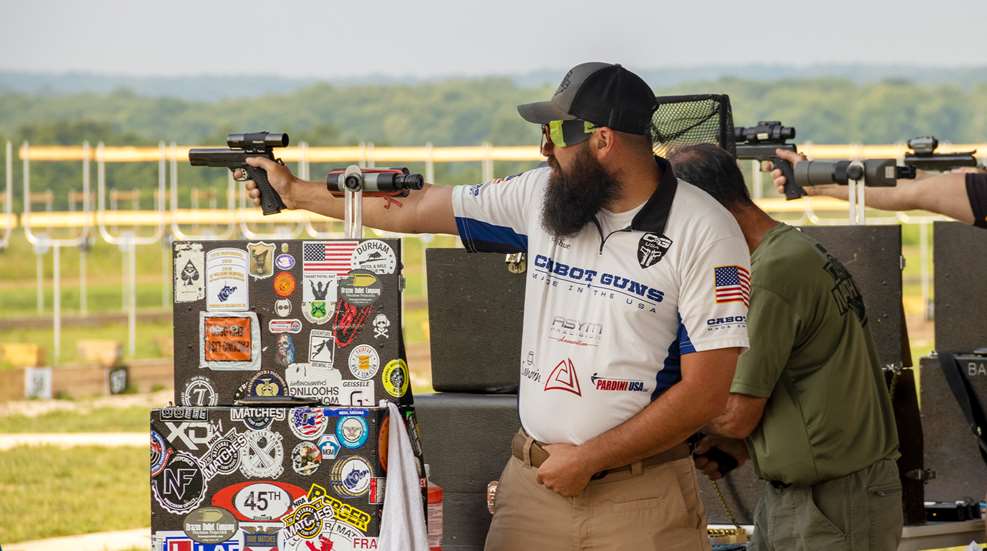
Essential Information on Concealed Weapons Permits and Compliance
Successfully navigating the requirements for concealed weapons permits involves understanding the laws, regulations, and responsibilities tied to carrying a concealed firearm. Compliance is critical to ensure not only personal safety but also adherence to legal obligations. Below is an overview of essential information about permits and compliance.
Legal Framework for Concealed Carry
Each state has unique laws governing concealed carry, which can vary significantly in terms of:
– Permit issuance policies: Shall-issue, may-issue, or constitutional carry.
– Reciprocity agreements: Recognition of out-of-state permits by other states.
– Restricted areas: Locations where carrying a firearm is prohibited, such as schools or federal buildings.
To remain compliant, it’s crucial for permit holders to familiarize themselves with both state-specific rules and federal regulations.
Permit Holder Responsibilities
Carrying a concealed weapon comes with specific responsibilities that must be upheld at all times. These include:
1. Proper firearm handling: Ensure safe handling and transportation of firearms to prevent accidents or unlawful use.
2. Maintaining documentation: Always keep your permit on your person when carrying a concealed weapon. Failure to present it when requested by law enforcement could lead to penalties. 3. Knowledge of gun-free zones: Stay updated on areas where firearms are strictly prohibited. 4. Continuous education: Laws are subject to change, so ongoing education about firearm legislation is essential for compliance.
Common Compliance Pitfalls
Even experienced permit holders can make mistakes that lead to non-compliance. Some common errors include:
– Failing to renew permits before expiration dates
– Carrying in restricted areas unintentionally
– Misinterpreting reciprocity agreements when traveling across state lines
– Improperly securing firearms during transport
Avoiding these pitfalls requires attention to detail and regular review of relevant laws.
Renewal Requirements and Deadlines
Permit renewal processes typically require applicants to submit updated forms, proof of training (if required), and payment within specific timelines before their current permit expires. Missing these deadlines can result in lapsed privileges or the need for reapplication as a new applicant.
| Task | Recommended Timeline Before Expiration |
| Submit renewal application | 60 days |
| Complete training (if required) | 90 days |
| Pay fees | Upon application submission |
Timely renewals ensure uninterrupted compliance with the law.
Resources for Staying Compliant
To stay informed and compliant with concealed carry regulations, consider utilizing these resources:
– State-issued guides: Many states publish handbooks outlining local firearm laws. – Approved instructors: Certified instructors provide updates during training sessions. – Official websites: State Department of Justice websites often post updates regarding legislation changes or reciprocity modifications. – Legal counsel: Consulting an attorney specializing in firearm laws can also provide clarity on complex issues.
By leveraging these tools, gun owners can ensure they meet their responsibilities while exercising their Second Amendment rights responsibly.
Understanding the nuances of concealed weapons permits and maintaining compliance not only protects the individual but also reinforces community safety overall.
- What to Expect from Concealed Carry Classes in Washington DC
- Understanding Concealed Carry Virginia Laws for Safe and Responsible Gun Ownership
- Steps to Obtain and Renew a Virginia Concealed Carry Permit
- Essential Concealed Carry Virginia Tips Every Responsible Gun Owner Should Know
- Essential Tips for Practicing Concealed Carry in Virginia for Personal Protection
- 5 Crucial Facts About Concealed Carry Virginia Gun Owners Need to Know
- Comprehensive Guide to Concealed Carry Virginia Laws
- Essential Information You Need to Know About the Virginia Concealed Carry Permit
Essential Concealed Carry Virginia Tips Every Responsible Gun Owner Should Know
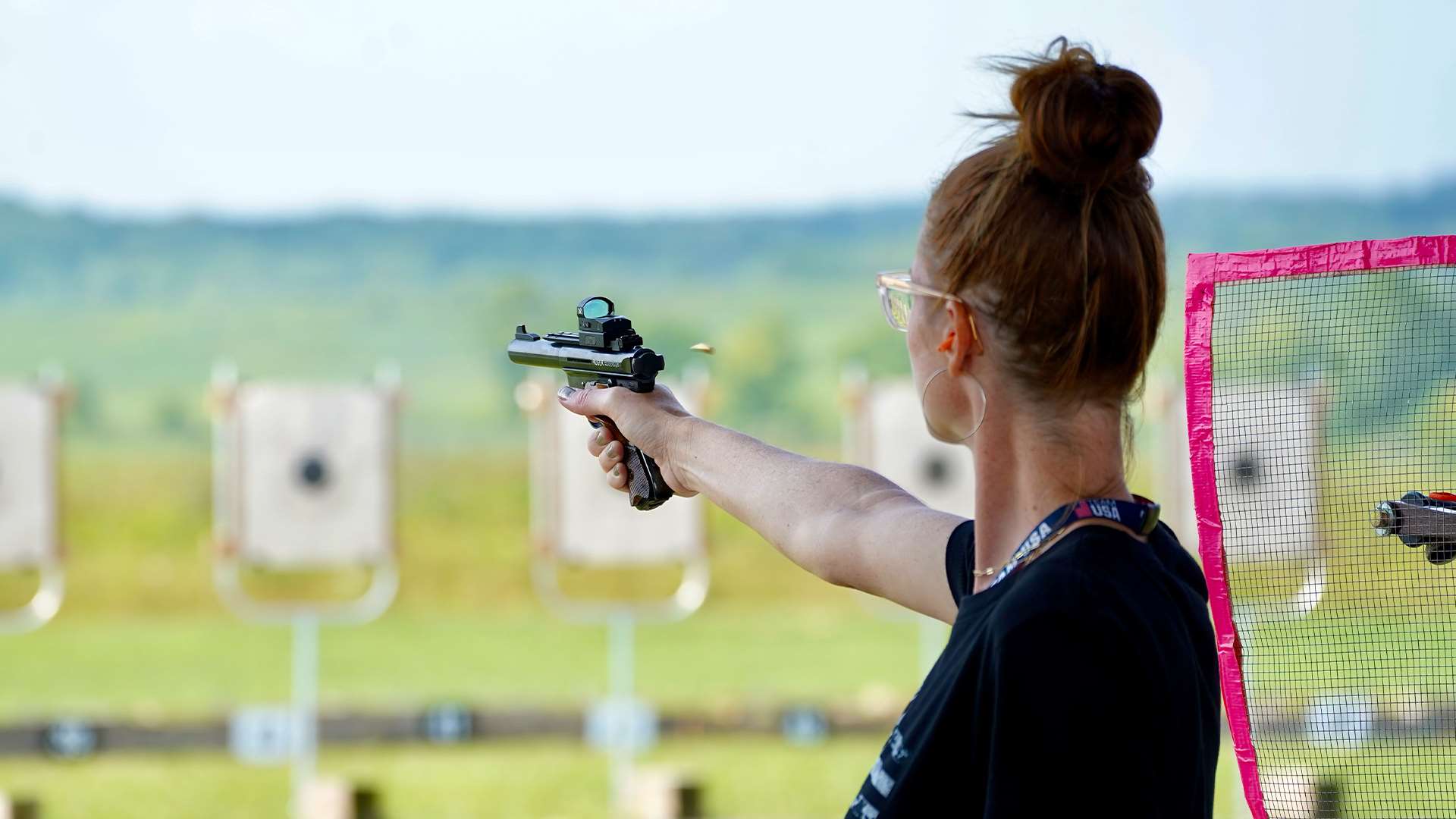
Carrying a concealed firearm comes with significant responsibility. To be a responsible gun owner, it’s essential to follow best practices that ensure personal safety, the safety of others, and compliance with the law. Below are practical tips and tricks that can help concealed carry owners make informed decisions.
Familiarize Yourself with State and Local Laws
- Reciprocity Laws: Check which states honor your concealed carry permit when traveling.
- Restricted Locations: Be aware of places where carrying a firearm is prohibited, such as schools, federal buildings, or private property with posted signs.
- Legal Obligations During Encounters: Learn whether you must disclose your concealed weapon during interactions with law enforcement.
A thorough understanding of legal responsibilities will help avoid unnecessary legal complications.
Invest in Professional Training
- Concealed Carry Classes: These typically cover both legal obligations and fundamental skills like drawing from concealment.
- Defensive Shooting Courses: Designed to prepare you for high-pressure situations while maintaining accuracy and control.
- Scenario-Based Training: Practice real-world defensive scenarios to enhance decision-making under stress.
Regular training ensures proficiency not only in shooting but also in safely handling your firearm in different settings.
Choose Your EDC (Everyday Carry) Setup Wisely
- Holster Selection: Choose holsters that provide retention without sacrificing comfort or accessibility (e.g., appendix carry, strong-side hip).
- Gun Size and Weight: A compact or subcompact firearm often works best for concealed carry while maintaining sufficient stopping power.
- Accessories for Safety: Consider adding night sights or weapon-mounted lights if they align with your needs.
A well-thought-out EDC setup reduces printing (visible outline of the gun) while improving overall functionality.
Maintain Situational Awareness
- Pay attention to exits when entering public spaces.
- Notice unusual behavior or potential threats.
- Avoid distractions like excessive phone use in public areas.
- Always have an escape plan if something goes wrong.
Staying alert allows you to avoid dangerous situations before they escalate.
Practice Firearm Maintenance Regularly
| Maintenance Task | Frequency |
| Cleaning the Barrel | After Each Use |
| Inspecting Moving Parts | Monthly |
| Checking Ammunition Quality | Quarterly |
Always use manufacturer-recommended cleaning kits and lubricants to ensure functionality remains optimal over time.
Develop Conflict De-Escalation Skills
- Use calm verbal communication when tensions arise.
- Maintain neutral body language to avoid escalating aggression.
- Remove yourself from volatile situations whenever possible.
These strategies reduce risks of violent encounters while ensuring responsible use of firearms.
By integrating these practices into daily life, responsible gun owners can safely navigate their role as concealed carriers while contributing positively to their communities’ safety.
Choosing the Best Ammunition for Concealed Carry Classes in Washington DC
Choosing the correct ammunition for concealed carry is a critical decision every responsible firearm owner must make. Ammunition selection impacts not only your ability to protect yourself in a self-defense scenario but also influences safety, reliability, and performance. Below, we’ll break down key considerations to help you choose the ammunition best suited for concealed carry.
Factors to Consider When Selecting Concealed Carry Ammunition
- Choose ammunition from reputable manufacturers with a proven track record of quality control.
- Test your chosen ammunition in your firearm before relying on it for daily carry. Even reputable brands can perform inconsistently depending on firearm models.
- Hollow Points: Designed to expand upon impact, hollow points are ideal for self-defense as they maximize stopping power and minimize over-penetration.
- Full Metal Jacket (FMJ): While FMJs are great for practice and target shooting due to their affordability, they are less suited for personal defense because they tend to over-penetrate targets.
| Type | Primary Use | Benefits | Drawbacks |
| Hollow Point | Self-Defense | Expands upon impact, higher stopping power | More expensive |
| Full Metal Jacket | Target Practice | Affordable, easy availability | Risk of over-penetration |
- 9mm: The most popular option due to its balance of manageable recoil, affordability, and effectiveness.
- .380 ACP: Offers less recoil and is often used in smaller firearms but may have reduced stopping power.
- .45 ACP or .40 S&W: Provide increased stopping power but come with added recoil.
- The FBI recommends penetration depth between 12–18 inches in ballistic gel testing for optimal performance without excessive over-penetration risks.
Qualities of Good Concealed Carry Ammunition
- Consistent expansion
- Reliable feeding in your specific firearm
- Low muzzle flash (important in low-light scenarios)
- Manageable recoil
- Compatibility with local legal restrictions (e.g., some states may regulate certain types of ammunition)
Testing Your Chosen Ammunition
After selecting an appropriate brand and type of ammo: 1. Fire several rounds at the range using your everyday carry gun. 2. Check that each round feeds properly and ejects without issues. 3. Evaluate accuracy under realistic conditions (e.g., stress shooting drills).
It’s also advisable to rotate your self-defense ammo periodically because exposure to moisture or oil from regular carrying can degrade its performance over time.
Common Mistakes To Avoid
- Relying solely on price as the determining factor—self-defense is not an area where cutting corners is advisable.
- Failing to test various brands/types in your firearm before settling on one.
- Not considering potential legal implications—some jurisdictions regulate bullet types like hollow points.
By understanding these factors and taking the time to test various options thoroughly, you can confidently select the right ammunition that aligns with your concealed carry needs while prioritizing safety and reliability under pressure situations.
The Importance of Selecting the Right Ammunition for Concealed Carry
Selecting the correct ammunition for concealed carry is a critical decision that influences both your safety and the effectiveness of your firearm in a self-defense situation. There are several factors to consider when choosing ammunition, as it must strike a balance between performance, reliability, and compatibility with your specific handgun. Below, we explore key considerations and practical tips for making an informed choice.
Factors to Consider When Choosing Ammunition
- Ensure the caliber matches your handgun specifications. For example, if you carry a 9mm pistol, you should only use 9mm ammunition.
- Popular calibers for concealed carry include .380 ACP, 9mm Luger, .40 S&W, and .45 ACP.
- Stopping power refers to an ammunition’s ability to incapacitate a threat quickly.
- Hollow point rounds are often preferred because they expand upon impact, creating a larger wound channel and reducing the risk of over-penetration.
- Effective self-defense rounds should penetrate between 12-18 inches in ballistic gel tests (as recommended by the FBI). This ensures sufficient depth to stop an attacker while minimizing risks to bystanders.
- Heavier or higher-powered rounds may generate more recoil, which can affect accuracy during rapid-fire situations.
- Test different brands and loads at the range to find one that provides reliable performance without excessive recoil.
Common Types of Concealed Carry Ammunition
| Type | Pros | Cons |
| Hollow Point | Expands on impact; reduces risk of over-penetration | Typically more expensive than FMJ |
| Full Metal Jacket (FMJ) | Affordable; reliable feeding in semi-autos | High risk of over-penetration |
| +P Ammunition | Higher velocity; increased stopping power | Generates greater recoil; may not be suitable for all firearms |
Testing Your Ammunition: Why It’s Essential
- Fire several boxes through your concealed carry firearm at a shooting range.
- Check for consistent feeding and ejection to ensure reliability.
- Confirm that your accuracy meets expectations at common self-defense distances (typically 7-15 yards).
Storage Considerations
Proper storage ensures your ammunition remains effective over time: – Store ammo in a cool, dry place away from direct sunlight. – Use airtight containers or dedicated ammo cans with desiccant packs to prevent corrosion.
Legal Considerations
Some jurisdictions restrict certain types of ammunition for civilian use: – Hollow points are prohibited in certain states or cities. – Always verify local laws before purchasing or carrying specific types of ammo.
By carefully evaluating factors like compatibility with your firearm, penetration depth, stopping power, and legal requirements, you can choose ammunition that enhances both safety and performance during concealed carry situations.
Finding the Best Holster for Your Virginia Concealed Carry Permit
Selecting the right holster for concealed carry is an essential decision that can significantly impact comfort, accessibility, and safety. With the variety of holsters available on the market, knowing what to look for can make all the difference for responsible gun owners. Here’s an in-depth guide to finding a reliable and comfortable holster suited for everyday use.
Key Features to Look For in a Holster
- Retention: A good holster should securely hold your firearm in place without compromising accessibility. Look for adjustable retention systems that allow you to customize how tightly your handgun fits into the holster.
- Comfort: Since you’ll likely wear the holster daily, comfort is paramount. Consider materials like leather or padded nylon if you prefer softer textures or Kydex if you want something rigid yet lightweight.
- Concealment: The primary purpose of a concealed carry holster is discretion. Choose a design that minimizes printing (the visible outline of a firearm through clothing) while fitting seamlessly with your wardrobe.
- Accessibility: Quick access is crucial during emergencies. Ensure that your chosen holster allows smooth drawing and re-holstering motions without snagging or unnecessary resistance.
- Durability: A quality holster should endure daily wear and tear. Look for products made from durable materials like high-grade leather or polymer.
Popular Types of Concealed Carry Holsters
| Holster Type | Description | Pros | Cons |
| Inside-the-Waistband (IWB) | Worn inside the waistband of pants, typically under clothing | Excellent concealment; versatile | May feel uncomfortable without adjustment |
| Outside-the-Waistband (OWB) | Worn outside pants; usually requires longer shirts/jackets for concealment | Comfortable; easy draw | Reduced concealment potential |
| Appendix Carry (AIWB) | Positioned at the front of your body near the appendix | Fast access; discreet | Can be uncomfortable when sitting |
| Shoulder Holsters | Strapped over shoulders under jackets | Good weight distribution | Requires outer layers to conceal |
| Pocket Holsters | Designed to fit safely inside large pockets | Convenient; no belt required | Limited firearm size options |
| Ankle Holsters | Secured around your ankle | Great for backup guns | Slower accessibility |
Testing Your Holster Choice
- Practice Drawing: Simulate real-life scenarios by practicing drawing and re-holstering your firearm multiple times with unloaded ammunition.
- Wear It Throughout the Day: Pay attention to how it feels after extended wear periods, especially during activities like sitting, bending, or walking.
- Check Stability: Ensure that it stays securely in place without shifting positions.
Tips for Optimal Comfort
- Use a sturdy gun belt designed specifically for carrying handguns.
- Adjust cant (the angle at which your firearm sits in relation to your body) based on personal preference.
- Experiment with placement until you find an area on your waistline where the weight feels most balanced.
By carefully evaluating these factors and testing various options, you’ll be well-equipped to find a reliable and comfortable concealed carry holster tailored to meet both safety standards and personal preferences.
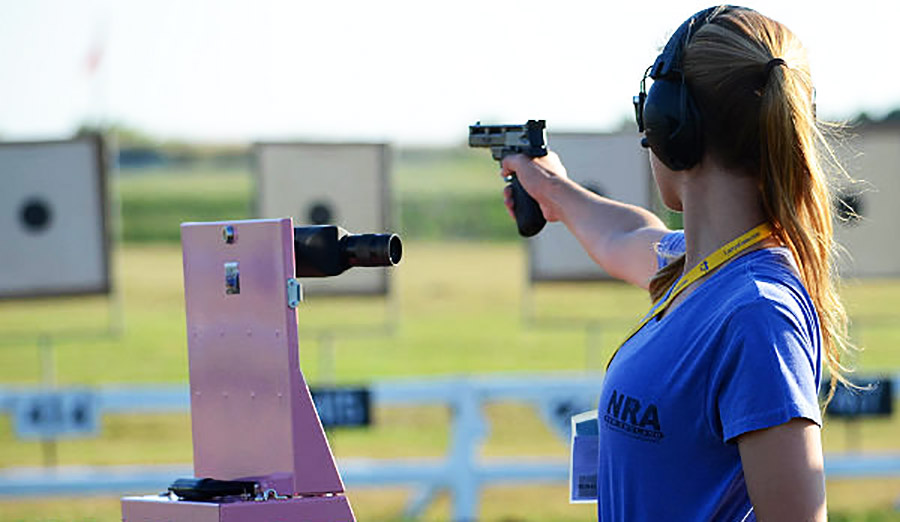
Deciding the Best Method to Safely and Effectively Conceal Carry
When it comes to concealed carry, deciding on the best method for safely and effectively carrying your firearm is essential. The chosen method can impact accessibility, comfort, concealment, and overall safety. Here’s a detailed look at key considerations and popular carry methods to help you make an informed decision.
Factors to Consider When Choosing a Concealed Carry Method
- Your firearm should be easy to reach in case of an emergency.
- Practice unholstering with your chosen method regularly to ensure efficiency under pressure.
- A concealed carry method that causes discomfort is less likely to be used consistently.
- Consider body shape, daily activities, and clothing style when selecting your method.
- The primary goal is to keep the firearm discreet from public view while maintaining accessibility.
- Evaluate whether a chosen method works with your wardrobe.
- A secure holster or carrying system is crucial for preventing accidental discharges or unauthorized access.
Popular Concealed Carry Methods
| Method | Description | Pros | Cons |
| Inside-the-Waistband (IWB) | Holster is tucked inside pants, between waistband and body | Excellent concealment; secure hold | May feel uncomfortable for certain body types |
| Outside-the-Waistband (OWB) | Holster sits outside waistband; usually covered by clothing | Comfortable; easy access | Harder to conceal without proper attire |
| Appendix Carry | Positioning at the front of the waistband near appendix area | Quick access; good concealment | Can feel restrictive when sitting |
| Pocket Carry | Firearm carried inside a pocket holster | Convenient; works well with small guns | Limited capacity; slower draw speed |
| Shoulder Holster | Harness holds the firearm under the arm | Great for jackets/blazers | Less accessible in casual clothing |
| Ankle Holster | Firearm secured around the ankle | Useful for backup guns | Limited speed of access |
Tips for Ensuring Safe & Effective Carry
- Practice Drawing: Regularly practice drawing from your chosen position under realistic conditions.
- Dress Appropriately: Use attire that accommodates your carry style while maintaining full concealment.
- Choose Quality Gear: Invest in high-quality holsters designed specifically for your firearm model.
- Regularly Check Retention: Ensure your holster provides adequate retention without impeding accessibility.
- Avoid Adjustments in Public: Refrain from touching or adjusting your gun while in public spaces as it may draw attention.
By carefully evaluating these factors and exploring various methods of carrying, you can find an approach that aligns with both safety requirements and personal preferences.
Choose the Right Clothing Style and Fit
- Opt for looser-fitting clothing: Tight clothing can make it difficult to conceal a firearm without causing printing (the outline of your gun becoming visible through the fabric).
- Layer strategically: Wearing layers like jackets, cardigans, or overshirts can help obscure the shape of your firearm more effectively.
- Select longer shirts: Longer tops provide additional coverage, preventing accidental exposure when reaching or bending down.
Fabrics That Work Best for Concealment
Not all fabrics are created equal when it comes to carrying concealed firearms. Some materials make printing more noticeable, while others are forgiving and better suited for concealment.
| Fabric Type | Advantages | Disadvantages |
| Stretchy fabrics | Allow movement and flexibility | Can emphasize gun outlines |
| Heavy cottons | Hide printing effectively | May feel less breathable |
| Wool blends | Excellent at masking outlines | Might be too warm in hot climates |
| Polyester blends | Lightweight and versatile | May easily cling to the body |
Selecting Appropriate Holsters Based on Your Wardrobe
- Tucked-in shirts: Use an inside-the-waistband (IWB) holster with a tuckable design that allows you to tuck your shirt over the firearm.
- Casual wear: Outside-the-waistband (OWB) holsters may work if paired with looser outer layers like hoodies or jackets.
- Athletic wear: Belly band holsters or concealed carry leggings provide secure options without requiring a traditional belt.
Footwear and Belts Matter Too
Carrying concealed often requires adjusting your accessories as well. A sturdy gun belt is crucial because it provides support to keep your firearm securely in place throughout the day. Avoid flimsy belts that may sag under the weight of your handgun.
For footwear, prioritize comfort since concealed carry often involves additional weight on one side of your body, which could affect posture over long periods.
Seasonal Considerations for Comfort and Discretion
- Wear breathable fabrics like lightweight cotton blends.
- Opt for appendix carry or pocket holsters that minimize bulk.
- Take advantage of coats and jackets as natural concealment tools.
- Carry larger firearms comfortably with OWB holsters hidden beneath outerwear.
Key Takeaways
By making intentional clothing choices, investing in quality accessories, and considering seasonal variations, you can ensure both comfort and discretion while carrying concealed. Adjusting your wardrobe doesn’t have to mean sacrificing style—it’s about finding practical solutions that align with both safety needs and personal preferences.
Practical Ways to Dress Comfortably While Ensuring Your Handgun Stays Discreetly Concealed
Choosing the right attire for concealed carry is essential to ensure both comfort and effective concealment. Balancing personal style with practicality can seem challenging at first, but with the right strategies, you can dress in a manner that keeps your firearm discreetly hidden without sacrificing comfort.
Factors to Consider When Dressing for Concealed Carry
- Body Type:
Your body shape will influence how and where you carry your handgun. For example: - Slim individuals may benefit from appendix or small-of-the-back carry.
- Those with broader frames might find waistband or shoulder holsters more comfortable and concealable.
- Clothing Fit:
Avoid overly tight clothing, as it can “print” (make the outline of your gun visible through fabric). Opt for slightly looser fits to maintain discretion. - Fabric Choices:
The material of your clothing matters: - Heavier fabrics like denim or flannel are better at masking the outline of a firearm.
- Stretchy or lightweight fabrics may cling to your body, making it harder to conceal.
Recommended Wardrobe Options
- Choose bottoms with sturdy waistbands capable of supporting the weight of a holstered firearm.
- Look into tactical pants that feature reinforced belt loops designed for concealed carry.
- Button-down shirts worn untucked provide excellent coverage while maintaining a professional appearance.
- Casual T-shirts should be slightly loose-fitting to avoid revealing the firearm’s outline.
- Layering with lightweight jackets, cardigans, or vests allows additional concealment options.
- Invest in a high-quality gun belt designed specifically for carrying firearms. These belts offer better support and durability than standard belts.
| Feature | Standard Belts | Gun Belts |
| Material | Thinner leather | Reinforced leather/nylon |
| Weight Support | Limited | Designed for heavier loads |
| Durability | Moderate | High |
Seasonal Dressing Tips
- Lightweight cover garments such as untucked short-sleeve shirts or tank tops paired with an appendix holster work well.
- Cargo shorts with deeper pockets allow room for spare magazines without adding bulk.
- Coats and jackets provide natural concealment options; however, practice drawing from underneath heavier layers.
- Layering also allows you more flexibility in choosing your preferred carry position.
Practical Accessories
Consider these helpful additions when dressing for concealed carry:
– Holsters Designed for Specific Attire: Belly bands, ankle holsters, or pocket holsters fit well with certain clothing styles.
– Compression Shirts or Undergarments: These add extra security by holding smaller firearms close to the body under everyday clothes.
With intentional planning, you can create an effective wardrobe that complements concealed carry while maintaining maximum discretion throughout your day-to-day activities.

Mastering Ongoing Handgun Safety Skills Through Regular Practice and Training
Owning a concealed carry firearm is a significant responsibility, and with that responsibility comes the need for consistent practice and training. Regularly honing your skills not only helps improve your proficiency but also ensures you are prepared to safely and effectively use your firearm if the situation demands it. Below are actionable strategies to master ongoing handgun safety skills.
The Importance of Routine Firearm Training
- Muscle Memory: Handling and firing a gun requires precision, which can only be achieved through repetition.
- Stress Management: Practicing under simulated stress conditions helps prepare you for real-world scenarios.
- Maintaining Accuracy: Regular range visits ensure that you maintain the accuracy needed to neutralize threats without compromising bystanders’ safety.
Key Areas to Focus on During Training
- Practice drawing your firearm from your preferred holster or concealment method.
- Work on achieving a smooth draw that avoids fumbling under pressure.
- Develop quick target identification skills.
- Train yourself to align sights accurately within seconds of drawing.
- Ensure you consistently keep your finger off the trigger until you are ready to fire.
- Avoid developing bad habits through careless handling during practice.
- Practice tactical and emergency reloads so they become second nature.
- Use snap caps or dummy rounds for safe reloading drills at home.
- Incorporate exercises that simulate real-world situations where you may need to defend yourself while assessing surroundings.
Types of Practice
| Type of Practice | Description |
| Live-Fire Range Time | Develop live-fire experience by practicing accuracy, aiming, and recoil control on targets. |
| Dry Fire Drills | Safely practice trigger discipline, sight alignment, and drawing techniques without using live ammunition. |
| Scenario-Based Training | Engage in simulated scenarios that mimic real-life defensive encounters in controlled environments. |
The Role of Professional Instruction
- Attend structured courses focused on self-defense shooting techniques.
- Seek out instructors who specialize in concealed carry tactics.
- Participate in group drills or competitions that simulate high-pressure situations.
Professional trainers often provide valuable feedback about posture, grip, stance, and other mechanics that might go unnoticed during solo practice sessions.
Building Consistency into Your Routine
- Set aside specific days each month for range visits or dry fire practices at home.
- Rotate through different skills during each session to avoid routine fatigue while maintaining well-rounded capabilities.
Additionally, consider keeping a logbook to track progress in specific areas such as shot placement or draw speed improvement over time.
Remaining prepared through ongoing training not only reinforces effective handgun safety but also contributes to responsible concealed carry ownership as a whole.
- What to Expect from Concealed Carry Classes in Washington DC
- Understanding Concealed Carry Virginia Laws for Safe and Responsible Gun Ownership
- Steps to Obtain and Renew a Virginia Concealed Carry Permit
- Essential Concealed Carry Virginia Tips Every Responsible Gun Owner Should Know
- Essential Tips for Practicing Concealed Carry in Virginia for Personal Protection
- 5 Crucial Facts About Concealed Carry Virginia Gun Owners Need to Know
- Comprehensive Guide to Concealed Carry Virginia Laws
- Essential Information You Need to Know About the Virginia Concealed Carry Permit
Essential Tips for Practicing Concealed Carry in Virginia for Personal Protection
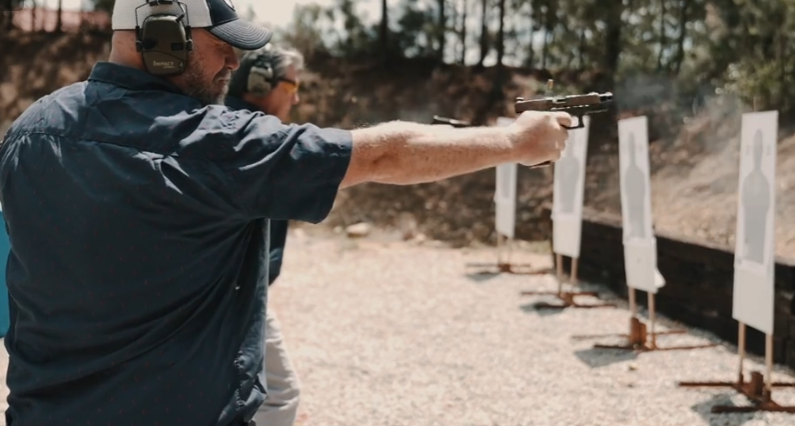
Concealed carry remains a significant and often debated aspect of personal safety. As individuals increasingly prioritize their security in an unpredictable world, more people are recognizing the potential benefits of concealed carry for personal protection. Below, we explore the key reasons why this option is worth considering.
1. Immediate Access to Self-Defense
When faced with a potentially life-threatening situation, immediate access to a tool for self-defense can make the difference between life and death. Relying solely on law enforcement, while important, may not always yield timely results due to response delays or logistical challenges. A concealed weapon allows individuals to protect themselves and others during critical moments.
Benefits of Immediate Access:
– Provides an option to neutralize threats quickly. – Reduces dependency on external assistance during emergencies. – Empowers individuals to feel secure in their day-to-day lives.
2. Deterrence Against Crime
The mere fact that someone might be armed can act as a deterrent to would-be attackers or criminals. Studies suggest that areas with higher rates of responsible firearm ownership often experience lower rates of violent crime.
Why Concealed Carry Acts as a Deterrent:
– Criminals are less likely to target individuals who may be armed. – Enhanced awareness among citizens fosters a safer community environment.
| Statistic | Insight |
| States with concealed carry laws | Tend to show lower violent crime rates |
| Armed victim incidents | Lead to fewer successful crimes |
3. Increased Personal Responsibility
Those who choose to conceal carry often develop a stronger sense of personal responsibility regarding their actions and safety practices. This includes understanding firearm laws, honing skills through training, and maintaining situational awareness in public spaces.
Key Traits Developed by Concealed Carry Holders:
– Discipline: Regular practice ensures safe handling. – Accountability: Understanding legal rights and restrictions. – Awareness: Staying alert in various environments reduces risks.
4. Peace of Mind in High-Risk Situations
Whether walking alone at night, commuting through unfamiliar areas, or faced with increasing reports of violent crime locally, carrying concealed offers peace of mind that you are prepared if danger arises.
Examples of High-Risk Scenarios:
– Traveling through remote areas without cell service. – Attending late-night events or working odd hours. – Living or working in urban areas prone to heightened crime rates.
5. Protecting Others Beyond Yourself
Concealed carry isn’t solely about self-preservation; it also enables you to step up when others are threatened. In scenarios like active shooter events or other emergencies where others may be defenseless, having the capability to respond effectively can save lives.
Potential Scenarios Where Concealed Carry Could Be Beneficial:
1. Protecting loved ones during an attack at home or outdoors.
2. Intervening when witnessing violence against another person (if safe and appropriate).
By taking responsibility for one’s personal protection through concealed carry, individuals can gain confidence while contributing positively toward community safety—if done responsibly and within legal parameters.
Why Obtaining a Virginia Concealed Carry Permit Can Be Crucial in Critical Situations
In high-stress and dangerous situations, every second counts. While law enforcement officers are highly trained professionals capable of responding to emergencies, there are inherent limitations that make it impossible for them to be everywhere at once. Relying solely on their arrival during a critical situation can leave individuals and families vulnerable. Here’s why you can’t always afford to wait for law enforcement in these moments, and why personal preparedness is essential.
Understanding Response Times and Concealed Carry Classes in Washington DC
Law enforcement response times vary widely depending on factors such as location, traffic conditions, and the priority level of the call. According to data from the Bureau of Justice Statistics:
– Urban areas: Average response times range between 5-10 minutes.
– Suburban areas: Response times often extend to 10-15 minutes.
– Rural areas: In isolated regions, response times may exceed 30 minutes or more.
Unfortunately, violent crimes often escalate in a matter of seconds, leaving little room for intervention before the situation turns dire. These delays highlight the importance of having the ability to defend yourself until help arrives.
Why Seconds Matter During an Emergency
Criminals who initiate violent encounters focus on speed and aggression to gain control over their victims. In critical situations:
– A robbery or assault can occur in under a minute.
– Active threats like home invasions or shootings unfold rapidly with devastating consequences before assistance can arrive.
The inability to act decisively in those crucial moments increases risk not only for yourself but also for anyone else involved. Having a concealed carry weapon (CCW) offers immediate means to protect against such threats when no one else is available to help.
Challenges Law Enforcement Faces
| Challenge | Impact |
| Limited personnel | Officers may need to prioritize higher-risk calls over lower-priority ones. |
| Geographic barriers | Larger jurisdictions or remote areas delay response times significantly. |
| Communication delays | Miscommunication or insufficient details from 911 callers may slow dispatch time. |
| High volume of calls | Busy jurisdictions often experience backlogs during peak hours of operation. |
These factors further emphasize why individuals must take proactive steps toward their own security rather than relying solely on external assistance.
Benefits of Concealed Carry as a Supplementary Measure
Carrying a concealed firearm legally and responsibly allows individuals to bridge the gap between the onset of danger and professional assistance arriving on scene. Key benefits include:
– Immediate defensive capability: Neutralize an immediate threat quickly when waiting is not an option. – Deterrence factor: Criminals are less likely to target someone they suspect might be armed. – Peace of mind: Knowing you have options in life-threatening situations reduces fear and enhances confidence.
However, carrying a concealed weapon requires proper training, awareness, and adherence to local laws regarding firearm ownership and use.
Understanding that law enforcement cannot always intervene instantaneously is not about criticism but about preparation. By acknowledging these limitations and taking responsibility for your personal safety through responsible concealed carry practices, you increase your chances of protecting yourself and those you care about in critical situations where every moment matters most.
Why You Can’t Always Wait for Law Enforcement During Critical Situations
When a critical or life-threatening situation arises, every second matters. While law enforcement officers are trained to handle emergencies, they may not always be able to respond immediately due to factors such as distance, response time, or communication delays. This is where concealed carry comes into consideration as a tool for self-reliance and preparedness in unpredictable moments.
Response Time Matters
- Urban areas typically have a police response time of 5–10 minutes.
- Rural areas can see delays ranging from 15–30 minutes or more due to geographic challenges or fewer available officers.
For individuals facing an imminent threat, this delay could mean the difference between life and death. Being able to defend yourself within those crucial moments becomes vital when waiting is simply not an option.
Real-Life Examples of Delayed Assistance
- Home Invasions: Attackers often act swiftly and with force. Waiting for law enforcement may leave little opportunity to protect yourself or loved ones inside your home before the intruder causes harm.
- Active Shooter Incidents: These tragic events unfold rapidly—often in under 10 minutes—leaving little room for intervention if no one is equipped to respond locally.
- Carjackings: These crimes happen in seconds, often leaving victims with no external help unless they are prepared to act quickly on their own behalf.
Empowering Individuals Through Concealed Carry
- Immediate Self-Defense: Being armed allows individuals to neutralize threats as they arise without waiting for outside assistance.
- Deterrence Factor: The possibility of encountering an armed citizen can dissuade potential criminals from committing violent acts.
- Protection of Others: Carrying a firearm enables individuals not only to protect themselves but also those around them who may be unable to defend themselves.
Balancing Responsibility with Preparedness
| Responsibility | Importance |
| Proper Training | Ensures safe handling and effective use during high-pressure situations |
| Adherence to Laws | Prevents legal repercussions by understanding concealed carry regulations |
| Regular Practice | Maintains proficiency in marksmanship and decision-making under stress |
| Situational Awareness | Helps identify potential threats early while avoiding unnecessary confrontations |
By combining these practices with the decision to conceal carry, individuals are better prepared for critical situations where immediate action is necessary.
Final Thoughts
While law enforcement remains an essential resource in maintaining public safety, it is unrealistic—and sometimes dangerous—to rely solely on their response during emergencies. Taking proactive steps toward personal protection through concealed carry ensures that you have options when every second counts.
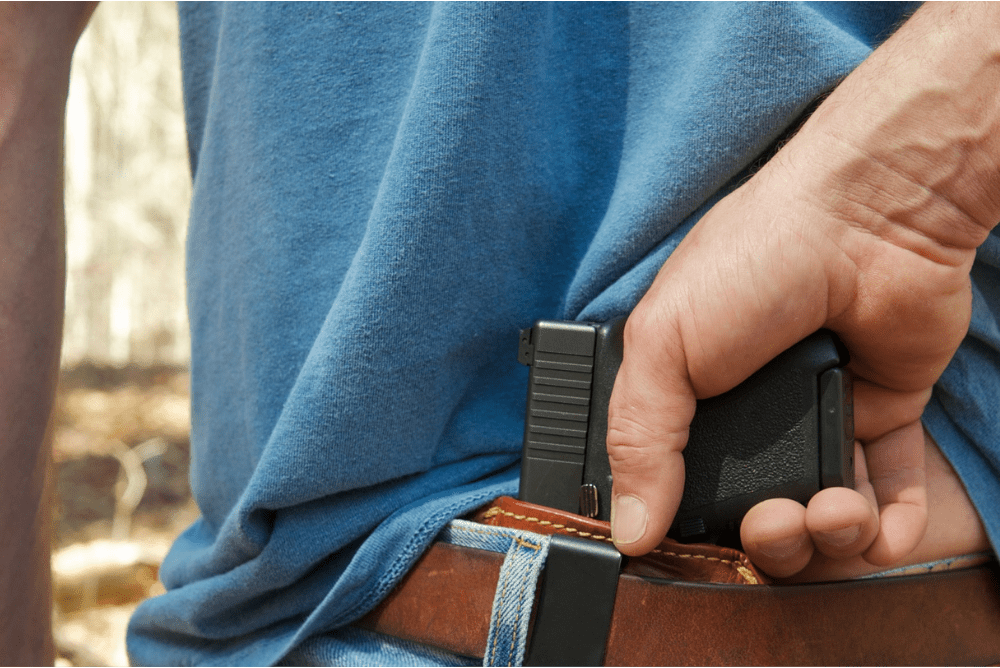
How Concealed Carry Provides a Tactical Advantage in Dangerous Situations
Concealed carry is more than just a tool for self-defense; it offers individuals a distinct tactical advantage during dangerous situations. When faced with potential threats, being prepared and having the ability to react decisively can make all the difference. Here’s how concealed carry provides this critical edge.
1. Element of Surprise
One of the most significant advantages of concealed carry is maintaining the element of surprise. Because your firearm is not visible, a potential assailant cannot easily assess whether you are armed or not. This uncertainty can work in your favor during confrontational scenarios.
- Criminals often target individuals they perceive as vulnerable or unprepared.
- Carrying concealed allows you to remain an unassuming presence while still being ready to respond if necessary.
- The lack of visibility ensures that any defensive action you take will catch an aggressor off guard, giving you precious seconds to act.
2. Immediate Response in Life-Threatening Scenarios
In life-threatening situations, timing is everything. Waiting for external assistance may not always be feasible, and this is where concealed carry shines by allowing for immediate action when no other options exist.
- Law enforcement response times vary significantly depending on location and circumstances.
- A concealed firearm allows individuals to bridge the gap until professional help arrives.
- Being armed empowers law-abiding citizens to protect themselves and others without delay.
| Scenario | Average Police Response Time | Time for an Incident to Escalate |
| Urban Area Home Invasion | 8–12 minutes | Under 60 seconds |
| Public Active Shooter Event | 3–5 minutes | Immediate |
| Rural Area Emergency | 15–20 minutes | Can escalate in under 2 minutes |
3. Enhanced Preparedness Through Training
Carrying a firearm responsibly requires proper training—a factor that also contributes significantly to gaining a tactical advantage. Effective training programs teach situational awareness, firearm handling, and decision-making under pressure.
Key benefits of training include:
– Improved accuracy and confidence when using your firearm. – Better understanding of conflict de-escalation techniques. – Awareness of surroundings, which helps identify potential threats early.
Responsible gun owners who invest time in training are far more prepared to protect themselves and others effectively during emergencies.
4. Deterrence Factor Against Threats
While it’s impossible to predict every situation, there is evidence suggesting that concealed carry acts as a deterrent against criminal behavior. Knowing there’s a possibility that someone might be armed may cause would-be attackers to think twice about their actions.
According to research:
– States with higher rates of legal concealed carry holders tend to see lower violent crime rates. – Criminals prefer “soft targets” where resistance is unlikely—concealed carriers change this dynamic entirely by introducing uncertainty into their calculations.
5. Mobility and Tactical Positioning
- For example, if an active threat arises in a public space, being armed discreetly enables you to seek cover or assist others from safety while staying prepared for defense.
- The flexibility provided by concealed carry ensures users can adapt quickly as the situation evolves without exposing themselves unnecessarily.
Concealed carry is not just about carrying a weapon; it’s about leveraging preparedness, training, and awareness effectively in dangerous situations. By combining these elements with the tactical advantage provided by concealment itself, responsible carriers can greatly enhance their ability to navigate crises safely while minimizing risks both for themselves and those around them.
The Importance of Situational Awareness When Choosing to Conceal Carry
Situational awareness is a critical skill for anyone who chooses to carry a concealed firearm. It goes beyond simply being armed; it involves understanding your surroundings, recognizing potential threats, and making informed decisions that keep you and others safe. Below, we’ll explore why situational awareness is key and how it integrates into responsible concealed carry practices.
What is Situational Awareness?
- Who is around you
- What activities are happening in the area
- Potential escape routes or safe zones
- Behavioral cues that may signal danger
By maintaining situational awareness, individuals can avoid dangerous situations before they escalate into threats.
Why Situational Awareness Matters for Concealed Carry
- Early Threat Detection
Being observant allows you to identify suspicious behavior early. This could include someone acting nervously in a crowd or loitering near entrances or exits. - De-escalation Opportunities
Not every confrontation requires the use of force. By staying aware of your surroundings and monitoring behavior patterns, you may create opportunities to de-escalate situations without drawing your firearm. - Better Decision-Making
Awareness allows you to assess whether defensive action is necessary or whether retreating from the situation is the safest option. - Avoiding Tunnel Vision
In high-stress scenarios, it’s easy to focus on one threat while ignoring others around you. Maintaining situational awareness helps ensure no additional risks are overlooked.
Practical Tips for Enhancing Situational Awareness
- Practice Observation Skills: Regularly take note of people’s behaviors in public places like parks, malls, or restaurants.
- Use the OODA Loop Model: This decision-making framework—Observe, Orient, Decide, Act—helps improve response times during developing situations.
- Eliminate Distractions: Avoid being preoccupied with your phone or other distractions when in unfamiliar areas.
- Position Yourself Strategically: Always sit where you can see entrances/exits and avoid getting cornered in any space.
- Trust Your Instincts: If something feels off about a setting or individual, take action immediately by leaving the area if possible.
| Situation | Recommended Action |
| Someone behaving aggressively | Find an exit route; do not engage |
| Crowded area with unusual activity | Stay on alert; avoid bottlenecks |
| Unfamiliar territory | Walk confidently; avoid secluded areas |
Integrating Awareness with Concealed Carry Training
Carrying a firearm might provide peace of mind during uncertain situations but relying solely on the presence of your weapon without sharpening mental preparedness can be dangerous. Training programs often emphasize marksmanship but pairing those skills with real-world scenario training focused on observation and decision-making sharpens overall preparedness.
Regularly practicing drills such as “what-if” scenarios can help improve judgment during real-life encounters while teaching how situational cues should dictate responses rather than assumptions about intent.
In summary: deploying your firearm responsibly begins long before needing it—it starts with knowing what’s happening around you at all times while effectively managing environmental risks for safer outcomes.
- What to Expect from Concealed Carry Classes in Washington DC
- Understanding Concealed Carry Virginia Laws for Safe and Responsible Gun Ownership
- Steps to Obtain and Renew a Virginia Concealed Carry Permit
- Essential Concealed Carry Virginia Tips Every Responsible Gun Owner Should Know
- Essential Tips for Practicing Concealed Carry in Virginia for Personal Protection
- 5 Crucial Facts About Concealed Carry Virginia Gun Owners Need to Know
- Comprehensive Guide to Concealed Carry Virginia Laws
- Essential Information You Need to Know About the Virginia Concealed Carry Permit
5 Crucial Facts About Concealed Carry Virginia Gun Owners Need to Know

1. Concealed Carry Is About Mindset, Not Just Gear
- Situational Awareness: You must always remain aware of your surroundings to assess potential threats while avoiding dangerous situations.
- Conflict Avoidance: A responsible carrier understands that their firearm is for self-defense only and not an excuse to escalate tense situations.
- Mental Preparation: Understand the weight of carrying lethal force—it’s not a decision to be taken lightly.
2. Comfort Doesn’t Equal Concealment
- Tight clothing or improper holsters can cause “printing,” where the outline of your firearm becomes visible through your clothing—a potential legal or safety issue depending on your jurisdiction.
- Testing multiple holster options like inside-the-waistband (IWB), outside-the-waistband (OWB), or appendix carry (AIWB) ensures both comfort and concealment.
Pro Tip: Use trial-and-error with different holsters and clothing combinations at home to test concealment under various conditions.
3. Training Goes Beyond Range Practice
- Drawing Techniques: Practice drawing from concealment to ensure speed and efficiency under stress.
- Dynamic Shooting Drills: Engage in situations involving movement, varying distances, or low-light conditions.
- Legal Education: Learn self-defense laws in your state, as well as federal regulations regarding concealed carry.
| Training Focus | Skill Developed | Importance |
| Drawing From Concealment | Speed and muscle memory | Reduces reaction time in emergencies |
| Low-Light Shooting | Accuracy without optimal lighting | Prepares for real-world conditions |
| Legal Studies | Understanding self-defense laws | Avoids legal complications |
4. The Importance of Regular Maintenance
- Clean your firearm regularly to prevent malfunctions caused by dirt or debris buildup.
- Perform routine checks on ammunition—old cartridges may degrade over time.
- Inspect holsters for wear or damage that could compromise safety.
5. Psychological Readiness Matters
- Carrying daily can create an initial emotional burden—worry about accidental exposure, self-doubt about using force if necessary, etc.
- Situational confidence builds over time with experience but also requires mental preparedness exercises such as scenario planning.
Additionally, consider consulting with peers in pro-carry communities who share experiences—this helps normalize concerns and deepen understanding.
Carrying a concealed weapon involves far more than simply owning a firearm; it’s about preparation, training, responsibility, and mindset development. By addressing these lesser-discussed topics upfront, gun owners can enhance confidence while fostering safer practices within their communities.
Tips to Improve Accuracy When Shooting Small Handguns With a Virginia Concealed Carry Permit
Small handguns, often favored for concealed carry due to their compact size and lightweight design, come with their own unique challenges. While they offer convenience and ease of concealment, their size often makes them more difficult to shoot accurately. Understanding these challenges is essential for responsible gun owners looking to improve their skills.
Understanding Small Handguns: Insights from Concealed Carry Classes in Washington DC
- The smaller frame of compact pistols leaves less mass to absorb recoil energy. This results in more felt recoil compared to larger firearms.
- Greater recoil can make it harder for shooters to maintain control over the weapon and can lead to flinching or inconsistent aim.
- A small handgun has a shorter distance between the front and rear sights, which impacts aiming precision. Any slight misalignment is magnified at longer distances, making accurate shots more challenging.
- Compact firearms often have smaller grips, limiting how securely you can hold the gun, especially for those with larger hands.
- A poor grip reduces stability during shooting, leading to decreased accuracy and slower follow-up shots.
- Many small handguns have heavier trigger pulls relative to their size. For untrained shooters, this can lead to jerking the trigger instead of pressing it smoothly.
- Most small firearms are designed with single-stack magazines or reduced capacity, leading some shooters to feel pressured about conserving ammunition in training situations.
Tips for Improving Accuracy with Small Handguns
1. Focus on Grip Technique
- Use a firm yet controlled grip on your firearm by ensuring that your dominant hand is high on the backstrap (the rearward curve of the grip).
- Support your dominant hand with your non-dominant hand by wrapping it tightly around the grip for maximum stability.
2. Optimize Stance and Posture
- Adopt a balanced stance such as the Isosceles or Weaver stance—ensure your weight is evenly distributed over both feet.
- Lean slightly forward into the shot rather than leaning back; this helps manage recoil.
3. Dry Fire Practice
- Practice dry firing at home (with an unloaded weapon) while focusing on smooth trigger pulls without disturbing sight alignment.
- Use snap caps or dummy rounds if needed for safety and functionality during drills.
4. Invest in Training Aids
| Tool | Benefits |
| Laser Trainers | Provides visual feedback on movement during trigger press |
| Dummy Rounds | Safe way to practice loading/unloading drills without live ammunition |
| Grip Enhancements | Improves hold on smaller grips |
5. Regular Range Time
- Practice controlled strings of fire using deliberate shot placement rather than rapid-fire sequences.
- Begin shooting at close distances (3–7 yards) before gradually increasing range as accuracy improves.
Final Thoughts
While small handguns can pose additional challenges compared to their full-sized counterparts, understanding these difficulties allows you as a responsible gun owner not only to improve but also become more confident carrying them daily responsibly . Skill-building takes dedication paired through continual repetition & examination.feedback
Why the Concealed Carry Gun Is the Small Investment That Matters Most
When it comes to personal safety, few investments are as significant as choosing the right concealed carry firearm. While many gun owners focus on training, holsters, or ammunition, the concealed carry gun itself often becomes a cornerstone of preparedness. Here’s why this seemingly small investment carries so much weight in ensuring safety, reliability, and confidence.
1. Reliability Saves Lives
- Consistent Performance: Well-manufactured firearms are less likely to jam or malfunction.
- Durability Over Time: Quality materials and craftsmanship ensure your weapon withstands wear and tear.
- Proven Track Record: Reputable brands like Glock, Sig Sauer, and Smith & Wesson have established trust within the concealed carry community.
While budget options may seem appealing upfront, they can lead to unexpected failures when you need reliability most.
2. Ergonomics Enhance Accuracy
- Grip Size: Smaller guns may seem convenient but can be harder to control without an ideal grip size.
- Trigger Weight: A smooth trigger pull helps maintain accuracy during rapid firing.
- Recoil Management: Compact guns often produce more recoil; investing in models with manageable recoil improves follow-up shots.
Firearms like the Sig Sauer P365 or Springfield Hellcat strike a balance between compact size and shootability, making them popular choices among carriers.
3. Concealability Without Sacrificing Features
| Feature | Importance | Example Models |
| Slim Profile | Easier concealment under clothing | Glock 43X, Ruger LCP MAX |
| Magazine Capacity | Balancing size with capacity | Smith & Wesson M&P Shield Plus (10+ rounds) |
| Lightweight Build | Comfortable all-day carrying | Kimber Micro 9 |
By prioritizing these features during your purchase decision, you ensure both functionality and ease of use in everyday scenarios.
4. Confidence Through Consistency
- Regular practice with a reliable firearm translates into muscle memory during emergencies.
- Familiarity with operations—like reloading or clearing malfunctions—reduces hesitation under stress.
Owning something dependable allows users to focus on situational awareness rather than worrying about their equipment failing.
5. Long-Term Value
- Resale Market: Established brands retain value better than lesser-known alternatives.
- Fewer Repairs/Upgrades Needed: Investing once saves money compared to multiple upgrades or replacements down the line.
Choosing wisely ensures that your initial outlay pays dividends not only through protection but also through longevity.
Ultimately, selecting the right concealed carry gun is about more than just price—it’s about equipping yourself with a trustworthy tool that safeguards your life daily. A small investment now yields significant returns by enhancing safety, usability, and peace of mind over time.
The Challenges of Finding a Good Holster and How to Choose the Best Option
When it comes to concealed carry, choosing the right holster is just as important as selecting your firearm. A reliable holster ensures safety, comfort, accessibility, and proper concealment. However, many gun owners find that selecting the perfect holster is more challenging than they initially anticipated. Here’s what you need to know about these challenges and tips for making the best choice.
Common Challenges of Finding a Good Holster
- Many gun owners struggle with finding a holster that feels comfortable during extended wear. Factors such as materials, sharp edges, and improper fit can cause discomfort.
- Carrying positions (e.g., appendix carry vs. hip carry) drastically affect comfort levels based on body type.
- Retention refers to how well a holster secures your firearm in place. Poor retention can lead to accidental dislodging or difficulty drawing your weapon under stress.
- Balancing retention strength with ease of draw is often tricky.
- A poorly designed or ill-fitting holster may print (show an outline of the firearm) through clothing, defeating the purpose of concealed carry.
- Some holsters are bulkier than advertised, making concealment even harder for smaller-framed individuals.
- Holsters are available in materials like leather, Kydex, nylon, or hybrid combinations.
- Leather may wear out over time or lose its shape; Kydex is durable but rigid; nylon doesn’t always offer sufficient retention.
- Not all holsters fit every firearm perfectly due to variations in slide length, frame size, and other dimensions.
- Universal-fit holsters often lack proper customization for specific firearms.
Tips for Choosing the Best Holster
- Look for features such as trigger guard coverage and adjustable retention screws to ensure your firearm remains secure at all times.
- Avoid soft or collapsible holsters that could potentially allow accidental trigger access.
- Consider Your Preferred Carry Position | Carry Position | Pros | Cons | |———————-|——————————-|——————————–| | Appendix (AIWB) | Quick access; highly concealable | Can be uncomfortable when seated | | Strong Side (3-5 o’clock) | Natural draw position; good concealment with jackets | Limited access when sitting | | Small of Back | Excellent concealment | Awkward draw angle |
- Choose Kydex for durability and precise molding or hybrid designs (leather backing with Kydex shell) for added comfort without sacrificing structure.
- Visit a store where you can physically try on different models before purchasing or look for brands offering money-back guarantees.
- Read reviews from other concealed carriers about specific brands and models before buying.
- Many premium options allow adjustment of cant (angle), ride height (how high/low the firearm sits), and retention pressure.
Popular Holster Brands Worth Considering
| Brand Name | Notable Features |
| CrossBreed | Hybrid designs combining leather & Kydex |
| Alien Gear | Modular systems & adjustability |
| Tulster | Slim profile & excellent concealment |
| Vedder Holsters | Lightweight & customizable options |
Finding the right holster takes time and research but is ultimately worth it for both safety and comfort while carrying responsibly. A good fit ensures not only functionality but also confidence during daily concealed carry activities—something every gun owner values deeply over time.

The Challenges of Finding a Good Holster and How to Choose the Best Option
One of the most overlooked yet critical aspects of concealed carry is selecting the right holster. A good holster not only ensures safety but also enhances comfort, accessibility, and concealment. While it may seem like a simple accessory, finding the best holster can be surprisingly challenging due to the wide variety of options available and the specific needs of individual gun owners. Below are some essential considerations and tips for choosing a reliable holster.
Common Challenges When Selecting a Holster
- Not all holsters are designed to accommodate every firearm. Ensuring a snug fit for your specific handgun model is crucial to prevent unnecessary movement or accidental dislodging.
- Retention mechanisms vary (e.g., passive retention versus active retention with locks). Balancing ease of draw with secure retention can be tricky.
- Carrying a firearm daily requires long-term comfort. A poorly chosen holster may cause discomfort or even physical irritation over extended use, especially when sitting or moving around frequently.
- Materials like rigid plastic (Kydex) or leather can feel different depending on body type and clothing style.
- Achieving effective concealment varies based on clothing choices, body type, and preferred carry position (e.g., appendix carry, strong-side carry). Ill-fitting holsters may cause printing (visible outlines of the firearm through clothing), defeating the purpose of concealed carry.
- High-quality materials often come at a price, but cheaper options may wear out quickly or fail under stress—compromising safety over time.
- There are several carry positions: inside-the-waistband (IWB), outside-the-waistband (OWB), appendix IWB, shoulder rigs, ankle holsters, etc. Each has its own pros and cons depending on personal preferences and lifestyle.
Key Features to Look for in a Holster
- Material Options: Common materials include:
| Material | Pros | Cons |
|——————|——————————-|———————————-|
| Kydex | Durable, secure fit | Can feel stiff/uncomfortable |
| Leather | Comfortable over time | May lose retention durability |
| Hybrid (Kydex + Leather) | Combines comfort & security | Higher cost | - Retention Level: Consider whether you need passive friction-based retention or an active locking mechanism based on your use case.
- Adjustability: Look for features such as adjustable cant (angle) or ride height to customize fit.
- Trigger Guard Coverage: Ensure complete coverage of the trigger guard to prevent accidental discharge.
- Ease of Draw: Smooth drawing capabilities while maintaining proper retention.
Tips for Choosing the Best Option
- Evaluate your daily lifestyle. If you’re seated often (e.g., driving), an appendix IWB might suit you better than OWB.
- Test different materials at local stores or ranges when possible to assess comfort levels.
- Invest in reputable brands known for quality construction such as CrossBreed, Alien Gear, or Galco.
- Use customer reviews and expert opinions as benchmarks before making your decision.
- Consider purchasing more than one holster for different scenarios—such as separate models for casual wear versus tactical applications.
A well-chosen holster will not only enhance your concealed carry experience but also ensure that both safety and functionality remain uncompromised during everyday use—making it an invaluable element of responsible gun ownership.
Concealed Carry Ins and Outs: A Comprehensive Guide for Beginners
Concealed carry is a significant responsibility and an essential part of personal protection for many individuals. However, entering the world of concealed carry can feel overwhelming, especially for beginners. From choosing the right firearm to understanding legal and safety considerations, there’s a lot to learn. This guide will provide a comprehensive overview to help new concealed carriers make informed decisions.
Understanding Concealed Carry Permits
- Research State Laws: Concealed carry laws vary by state. Some states require permits (shall-issue or may-issue), while others have constitutional carry laws that don’t mandate permits.
- Training Requirements: Many jurisdictions require applicants to complete concealed carry training courses that cover firearm safety, shooting fundamentals, and legal responsibilities.
- Application Process: The process often involves fingerprinting, background checks, and submitting an application with fees.
| State | Permit Required | Training Requirement | Reciprocity with Other States |
| Texas | Yes | Yes | High |
| Florida | Yes | Yes | Moderate |
| Vermont | No | No | Low |
Always verify current state regulations before proceeding.
Selecting the Right Firearm for Beginners
- Compact and subcompact pistols are generally preferred for ease of concealment.
- Lightweight firearms reduce discomfort during extended wear but may have more recoil.
- Popular calibers like 9mm offer manageable recoil, good stopping power, and are widely available.
- Test different calibers at the range to find what works best for you.
- Ensure that the firearm feels comfortable in your hands and that controls are easy to operate.
- Research reviews on reliability—your chosen firearm must perform consistently in high-stakes situations.
Choosing Proper Holster Systems
- Look for holsters with secure retention systems that prevent accidental dislodging of your firearm.
- Kydex is durable and customizable.
- Leather offers comfort but requires break-in time.
- Popular options include appendix (AIWB), strong-side hip (3 o’clock), or small-of-back (6 o’clock). Choose one based on accessibility and concealment needs.
Legal Responsibilities When Carrying Concealed
- Be aware of “gun-free zones”, such as schools or government buildings.
- Understand your state’s stance on duty-to-inform laws—some states require you to inform law enforcement if you’re carrying during an encounter.
- Always practice safe storage when not carrying; use lockboxes or safes at home or in your vehicle as needed.
Training Is Non-Negotiable
- Regularly practice shooting at local ranges.
- Participate in defensive handgun courses that simulate real-world scenarios.
- Study situational awareness techniques to better recognize threats before they escalate.
By following these guidelines, beginner concealed carriers can build both competence and confidence responsibly while adhering to legal requirements and maintaining safety at all times.
How Concealed Carry Is Changing with Innovative New Holster Designs Like the CrossBreed Modular Holster
The world of concealed carry has seen significant advancements over the years, particularly when it comes to holster design and functionality. One of the most exciting developments is the introduction of modular holsters, such as the CrossBreed Modular Holster. These innovative designs are changing how gun owners approach concealed carry, offering greater flexibility, comfort, and customization. Here’s a closer look at how modern holsters are reshaping concealed carry practices.
The Evolution of Concealed Carry Holsters
- Improved Comfort: Many new holsters incorporate materials like neoprene backings or leather hybrids that minimize irritation during extended wear.
- Enhanced Retention Systems: Modern holsters often feature adjustable retention screws or mechanisms that better secure firearms while allowing for quick access.
- Compatibility with Attachments: As firearm accessories such as optics and lights become more common, newer holsters accommodate these additions without compromising fit or usability.
What Makes Modular Holsters Unique?
- Flexibility Across Carry Positions
Modular holster systems enable gun owners to switch between inside-the-waistband (IWB), outside-the-waistband (OWB), appendix carry, and more without needing multiple separate products. - Customizable Fit for Different Firearms
These systems often offer compatibility with a wide range of handgun models by allowing users to swap out specific shells or mounts designed for various firearms. - Ease of Integration into Daily Life
With options like Velcro attachments or magnets, modular holsters can easily integrate into vehicle safes, bags, or even under-desk setups for quick access in different environments.
| Feature | Traditional Holsters | Modular Holsters |
| Flexibility | Limited | High |
| Comfort | Basic | Advanced Backings Available |
| Interchangeable Parts | No | Yes |
| Adaptability | Low | High |
Benefits for Everyday Concealed Carriers
- Improved Concealment: Slimmer profiles and customizable positioning help reduce printing (visible outlines of the firearm through clothing).
- Increased Durability: Premium materials ensure longevity even with daily use. Leather hybrids combined with Kydex shells are both rugged and comfortable.
- Better Accessibility: Adjustable cant angles and ride heights allow carriers to find their preferred draw technique quickly.
Final Thoughts on Modern Holster Design
The development of modular holster systems is a testament to how technology and innovation can enhance concealed carry practices. By prioritizing adaptability and user experience without sacrificing safety or security, products like the CrossBreed Modular Holster represent a leap forward in how firearm owners manage their responsibilities while staying prepared. Whether you’re an experienced carrier or just starting your journey into concealed carry, investigating these next-generation solutions could greatly improve your overall experience.
Exploring the Features of the All-New Smith & Wesson M&P Shield X as a Next-Generation Carry Pistol
The Smith & Wesson M&P Shield X is a standout option for concealed carry enthusiasts, combining compact design with innovative features and enhanced functionality. As a next-generation carry pistol, it has been developed to meet the needs of modern gun owners who prioritize both performance and concealability. Below, we explore its key features and why it represents a significant upgrade in the world of concealed carry firearms.
Compact Design with Everyday Carry in Mind
- Dimensions: Measuring just over one inch in width, this pistol is slim enough to minimize printing when carried inside-the-waistband (IWB) or appendix.
- Weight: Weighing less than 20 ounces unloaded, it’s light enough for extended wear without causing discomfort.
- Ergonomics: Its redesigned grip texture provides superior control without being abrasive against clothing or skin.
Enhanced Magazine Capacity
Unlike many earlier compact pistols that sacrificed capacity for size, the Shield X offers increased magazine options while maintaining its slender profile.
| Magazine Type | Capacity | Notes |
| Flush-Fit | 10+1 | Ideal for ultimate concealment |
| Extended | 13+1 | Adds extra grip length for better handling |
This added capacity ensures versatility depending on your specific carrying needs while giving you more rounds at your disposal compared to earlier models.
Improved Trigger System
- Flat-Faced Trigger: The flat-faced design not only enhances aesthetics but also promotes consistent finger placement for improved accuracy.
- Lighter Pull Weight: With smoother take-up and a crisp break, this trigger suits both novice and experienced shooters aiming for precision under stress.
Optics-Ready Platform
- Pre-cut slide with customizable plates to accommodate popular optics like Trijicon RMRcc or Holosun models.
- Co-witness height sights that allow seamless transition between optics and iron-sights.
This cutting-edge feature ensures adaptability to evolving shooter preferences.
Key Safety Enhancements
- Loaded Chamber Indicator: Provides visual confirmation of whether there’s a round in the chamber.
- Optional Manual Thumb Safety: Available for those who prefer an added layer of security.
The passive safety mechanisms work seamlessly without adding unnecessary complexity to operation under duress.
Why It’s a Game-Changer
The Smith & Wesson M&P Shield X sets itself apart by addressing common pain points faced by concealed carriers. Its increased magazine capacity eliminates concerns about being underprepared. The optics-ready design future-proofs your investment as more shooters adopt red-dot sights. Lastly, its slim profile ensures that concealability isn’t compromised by these advanced features.
For those looking to upgrade their everyday carry setup or purchase their first concealed carry handgun, the Shield X offers an ideal blend of innovation, reliability, and practicality tailored to modern needs.
- What to Expect from Concealed Carry Classes in Washington DC
- Understanding Concealed Carry Virginia Laws for Safe and Responsible Gun Ownership
- Steps to Obtain and Renew a Virginia Concealed Carry Permit
- Essential Concealed Carry Virginia Tips Every Responsible Gun Owner Should Know
- Essential Tips for Practicing Concealed Carry in Virginia for Personal Protection
- 5 Crucial Facts About Concealed Carry Virginia Gun Owners Need to Know
- Comprehensive Guide to Concealed Carry Virginia Laws
- Essential Information You Need to Know About the Virginia Concealed Carry Permit